
Why Primer Is Key for Durable Paintwork
Painting your walls is a great way to give your home a fresh look. However, for the best results, it’s important to understand the role primer plays. A good primer ensures that paint adheres properly and lasts longer. It also helps in achieving a smooth finish by covering up imperfections. When you skip this step, you might find your paint starts peeling or chipping sooner than expected. Applying primer first can save you time and money in the long run.
Enhancing Paint Adhesion
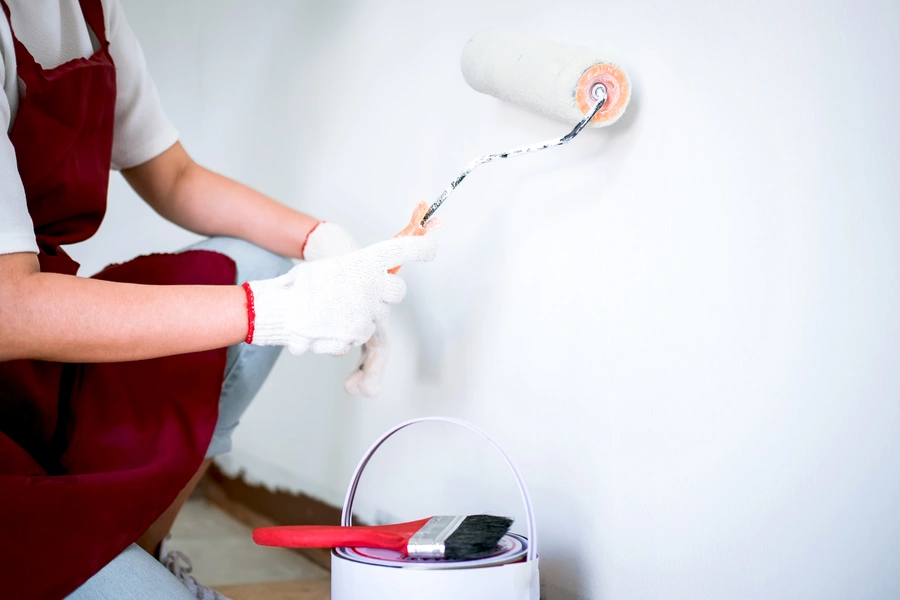
Primer acts as a bonding agent between the wall surface and the paint. When you start with a primed wall, your paint sticks better and covers more evenly. This initial layer grips onto both the paint and the surface below, reducing the need for multiple coats. For those tackling wall painting projects, using primer can make a noticeable difference in how your final product looks. This means fewer touch-ups and a cleaner appearance overall.
Smoothing Imperfections
Walls often have small dents, nail holes, or texture variations that show through if you only apply paint. Primer fills these minor imperfections to create an even base coat. By smoothing out uneven surfaces, it enhances the look of your wall painting efforts. A smoother wall not only looks better but also allows for easier cleaning and maintenance over time, preserving the paint’s longevity.
Blocks Stains and Discoloration
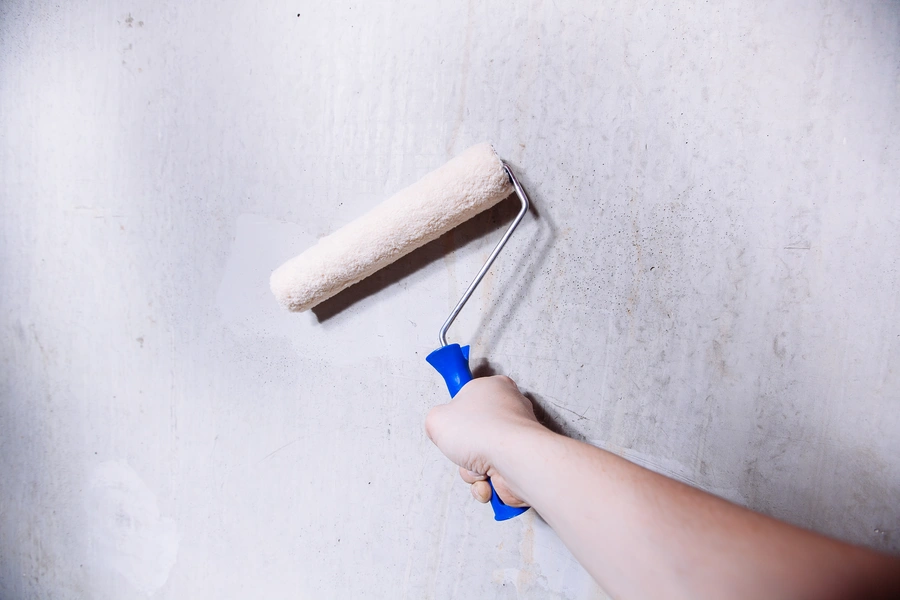
If you’ve previously had issues with stains bleeding through your paint, primer can help. It seals these blemishes, preventing them from ruining your new wall color. Whether dealing with water marks or smoke damage, a quality primer locks these elements away. This ensures that your paint maintains its intended hue without surprises showing through later on.
Choosing the Right Primer
Selecting the appropriate primer is crucial depending on your surface type and desired outcome. Here are some options:
- Oil-based primers: Great for blocking stains and working with wood surfaces.
- Water-based primers: Best for drywall and areas with low stain risk.
- Shellac primers: Ideal for tough stains and setting challenging surfaces.
Steps for Proper Application
Applying primer isn’t complicated if you follow these steps:
- Clean the walls thoroughly to remove dust and grease.
- Use a roller for large areas and brushes for corners and edges.
- Allow sufficient drying time before applying paint.
Avoiding Common Mistakes
Many people overlook primer because they underestimate its importance. Skipping it can lead to poor adhesion and unsatisfactory finishes. Another common mistake is using the wrong type of primer, which can result in incompatibility issues with your chosen paint. Always read labels carefully to ensure you’re choosing the right product for your specific needs.
Maximizing Your Investment With Primer
The cost of purchasing primer may seem like an extra expense at first glance. However, it significantly reduces repainting frequency, providing excellent return on investment. The durability it offers outweighs initial costs by maintaining the integrity of your paint job over time. Professionals often suggest budgeting for a reliable primer to protect against future expenses related to wear and tear.
Take Action Today
Ready to transform your living space? Contact River City Precision LLC at (210) 771-7016 to discuss your project needs. Our experienced team, based in San Antonio, TX, provides exceptional service tailored to ensure lasting results for every client.