
Avoiding Pitfalls When Updating Your Walls
When giving your home a fresh look, painting the walls can be an exciting project. However, it is easy to make mistakes that can lead to disappointing results or even damage. By understanding common errors and how to avoid them, you can achieve a beautiful finish that lasts. In this guide, we will explore practical tips to help you navigate the world of painting with confidence.
Choosing the Wrong Paint
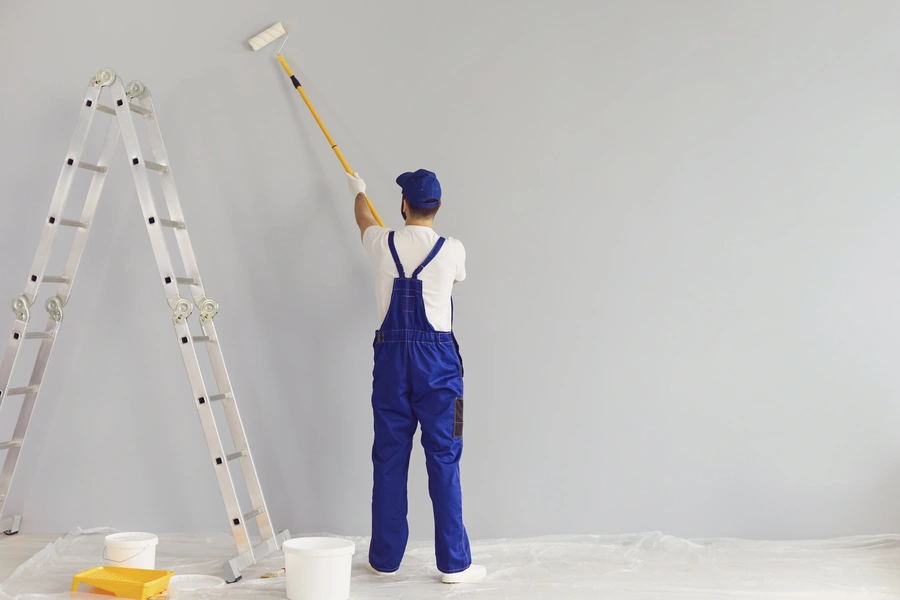
The type of paint you choose can significantly impact the outcome. Many people opt for the wrong finish, such as flat paints in high-traffic areas where they should use semi-gloss or satin. Flat finishes aren’t durable enough for spaces like kitchens or bathrooms. Ensuring you select the correct type of paint based on room usage will help maintain the quality and appearance of your surfaces.
Skipping Primer
One of the most crucial steps often overlooked is applying primer before starting wall painting. Primer helps paint adhere better and makes colors stand out more vividly. Skipping this step can result in uneven coverage and a lackluster finish. Always apply primer on new drywall, over dark colors, or when transitioning between different types of paint.
Ignoring Surface Preparation
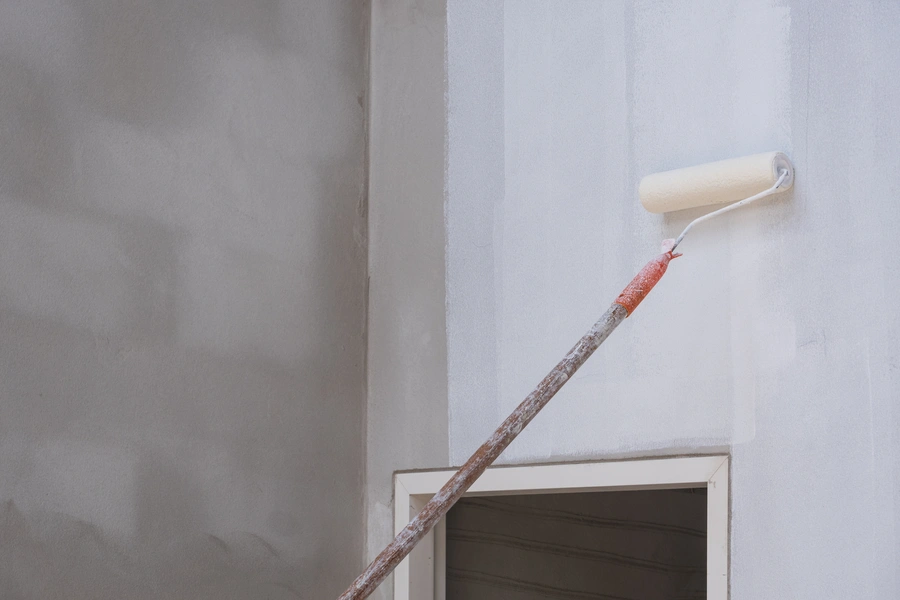
Proper preparation is key to achieving a smooth paint job. Failing to clean the walls or repair imperfections can cause issues later on. Before painting, ensure all surfaces are clean, dry, and free from dust or grease. Fill any holes or cracks with spackling paste and sand rough spots for optimal paint adhesion.
Using Cheap Brushes and Rollers
It’s tempting to save money by purchasing budget-friendly tools, but doing so may compromise your results. Low-quality brushes and rollers can leave streaks or shed bristles into wet paint, ruining your efforts. Investing in good-quality tools ensures smoother applications and cleaner finishes, saving you time and frustration.
Overloading the Brush or Roller
A common mistake during wall painting is using too much paint at once. Overloading your brush or roller leads to drips and an uneven coat. Dip only one-third of the tool into the paint and tap off excess before applying it to the wall. This technique allows for better control and a more professional-looking result.
- Choose appropriate paint types for each room’s needs
- Never skip priming surfaces before painting
- Prepare walls thoroughly by cleaning and fixing flaws
- Invest in quality brushes and rollers for best application
- Apply thin coats of paint to prevent dripping and unevenness
Poor Color Planning
Color choice can transform a space, but poor planning can lead to regret. Testing paint colors on a small area of your wall can help visualize how they’ll look under different lighting conditions throughout the day. Consider how colors complement existing furnishings and decor before committing fully.
Lack of Patience Between Coats
Painting requires patience, especially between coats. Applying a second coat too soon can cause peeling or bubbling as the first layer hasn’t dried properly. Follow drying times as indicated on the paint can, usually waiting at least two hours before adding another coat for best results.
Final Touches With Professional Help
Once you’ve tackled these common pitfalls, consider professional services if needed. Experts provide assurance with their experience in large projects or intricate designs. Their knowledge ensures an excellent finish while saving time and effort on complex tasks.
Your Dream Home Awaits
River City Precision LLC is ready to assist you with your next painting project. Our expert team serves clients throughout San Antonio, TX with dedication and precision. For personalized advice or to schedule a consultation, call us at (210) 771-7016. Let’s transform your space together!